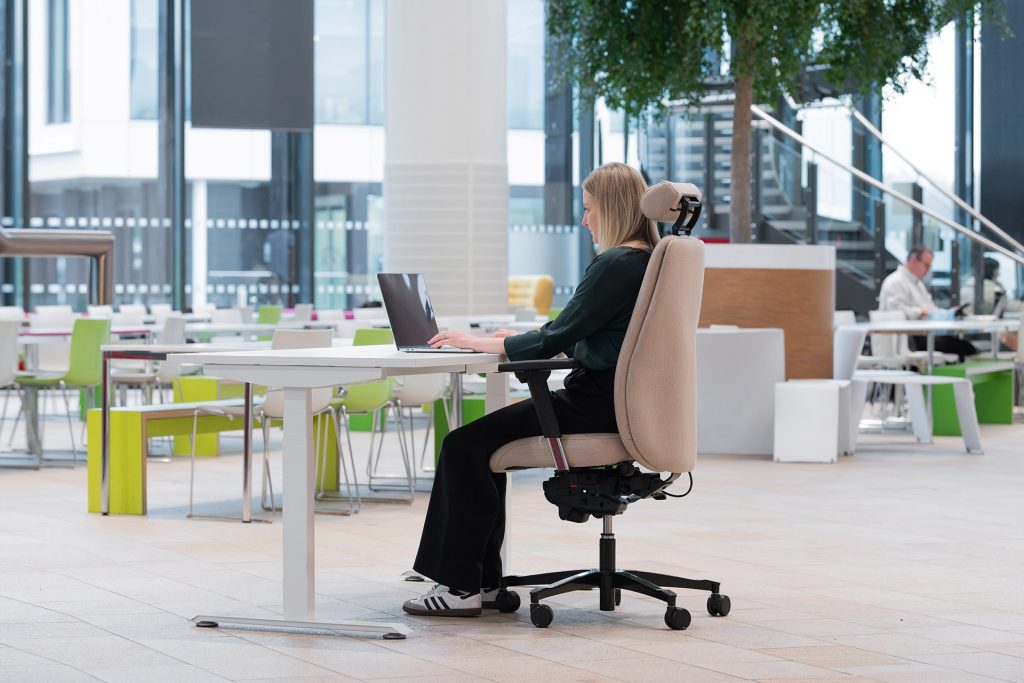
What is an ergonomic chair?
An ergonomic chair should fit the person using it, support the work they need to do and work with their wider workstation.
If you spend your working day constantly shifting position, leaning to reach your desk, struggling to get comfortable or adjusting your chair without ever quite getting it right, the problem may be about finding a setup that fits you properly.
A chair isn’t ergonomic just because of what it’s called.


What should an ergonomic office chair do?
A good ergonomic chair should help you sit comfortably, feel supported and move naturally. It should make it easier to get on with the job without constantly calling attention to itself.
That means supporting and fitting your dimensions properly, allowing you to change position throughout the day.
A good ergonomic chair should help you:
- Sit comfortably for the work you need to do
- Distribute pressure comfortably across the body rather than concentrating it in a few areas
- Feel supported without being forced into one rigid position
- Move and adjust your posture during the day
- Allow your feet, legs, pelvis, back, arms and shoulders to remain comfortably supported whilst still enabling movement
- Work effectively with your desk, screen, keyboard and other equipment
- Stop thinking about the chair and focus on the task in front of you
The right chair should almost blend into the background. Good ergonomics isn’t just about comfort, it can improve your concentration, stamina and productivity, and help you stay working comfortably for longer.
, Occupational Therapist | 30 years' experience
Good ergonomics matters at home and in the office
Your chair still needs to work properly with your desk, screen, keyboard and the way you use the space around you – whether you are a home or hybrid worker.
The same person can need a different setup in different environments. A chair that works perfectly in the office may need adjusting (or may not be the right solution at all) for your home working space and the way you work in it.
There isn't one perfect sitting position
A good ergonomic chair should support you while allowing you to move, recline, sit upright and change posture as needed.
More knobs and levers don’t automatically make a chair better, but adjustability matters. The right adjustments allow the chair to work with the person using it.
The best sitting posture is the one that’s most comfortable for you at that moment in time. You’ve got to be able to move and change. It’s got to be adaptable. You’ve got to be able to regularly alter your position and your posture to maintain comfort.
Before you buy a new chair,
understand the one you already have.
How to check your office chair setup:
- Is the seat deep enough to support you without pressing into the back of your legs?
- Can your feet rest comfortably, with the seat height working properly with your desk?
- Is the backrest supporting you where you actually need it?
- Are your armrests supporting you without pushing your shoulders upwards?
- Can the chair move with you, rather than keeping you locked in one position?
- Are your desk, keyboard and screen positioned so you don’t have to keep leaning, reaching forwards, or looking up/down at a screen?

Don’t be afraid to experiment with your chair.
Adjust it. Sit in it. Move. See what feels different.
Experienced Occupational Therapist Lisa Harrison says she regularly sees people discover adjustments on perfectly good chairs that they simply didn’t know were there. “Sometimes, the right tweak is all that’s needed,” she says.
But if you’ve made sensible adjustments and you’re still uncomfortable, in pain or struggling to work comfortably, it may be time to look at whether your current chair is right for you.
When simple chair adjustments
don’t fix discomfort
How do you know you need a new ergonomic chair? Sometimes, even after you’ve adjusted your chair and workstation properly, something still isn’t right.
You may still be uncomfortable. You may be experiencing pain, fatigue and reduced concentration. The chair may simply not fit your body properly, or an existing health condition may mean that a standard office chair can’t give you the support you need.
That’s the point to stop making random adjustments and look more closely at what’s causing the problem.
You may benefit from more specialist advice if:
- Discomfort or pain persists despite sensible adjustments
- You struggle to find a position that feels supportive
- The seat, backrest or armrests don’t fit your body dimensions properly
- You have restricted movement, reduced strength or specific postural needs
- You have a health condition that affects how comfortably you can sit and work
- You’ve already tried changing chairs without solving the problem
Instead of jumping straight to a particular chair or feature, the next step is to understand why your current setup isn’t working, and what needs to change.
Struggling to get comfortable? Talk to our assessment team about what’s not working.
A good assessment is a collaboration. The person knows their own body better than anyone else; my job is to listen, understand what is and isn’t working, and use that information to find the right solution.

The right chair starts with
understanding the person
If your standard setup isn’t working, the next question isn’t “which chair should I buy?”
What we ask is, “what is this person actually finding difficult?”
That’s why we always start with the individual. Our assessors take time to understand what feels comfortable, what doesn’t, where you’re experiencing pain, pressure, or discomfort, how you move, how long you sit for and what you’ve already tried.
From there, they can build a fuller picture of what you need from your chair.
That can mean looking at:
- Body dimensions such as height, leg length and hip width
- Mobility, strength and endurance
- Areas of pain, pressure or discomfort
- The tasks the person needs to carry out
- How long they spend seated and how often they move
- Their desk, screen, keyboard and wider workstation setup
- What is already working well
- What has been tried before and why it didn’t work
Ergochair’s assessment process is deliberately collaborative. The solution could be as simple as changing the seat depth, chair size or position of the back support.
For more complex needs, we can alter foam construction, change where support is positioned, introduce pressure-relieving features or adapt other elements of the chair around the individual.
The result is a chair configured around what that person actually needs. That’s why every Ergochair tells a personal story.
Don’t guess what you need. Let’s work out what needs to change.
Different people need
different chairs
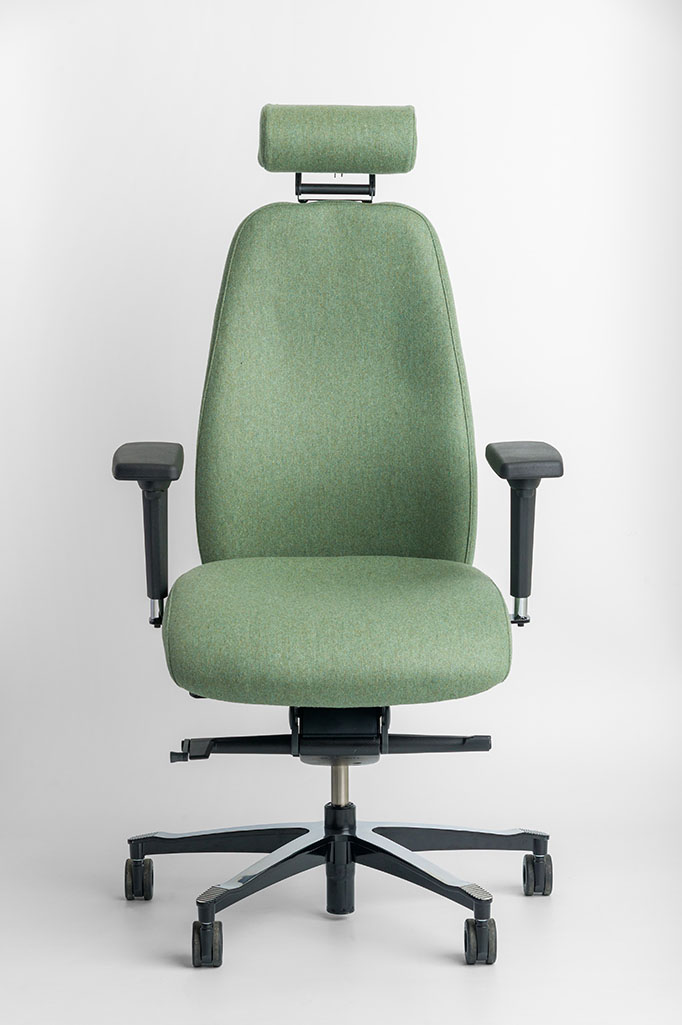

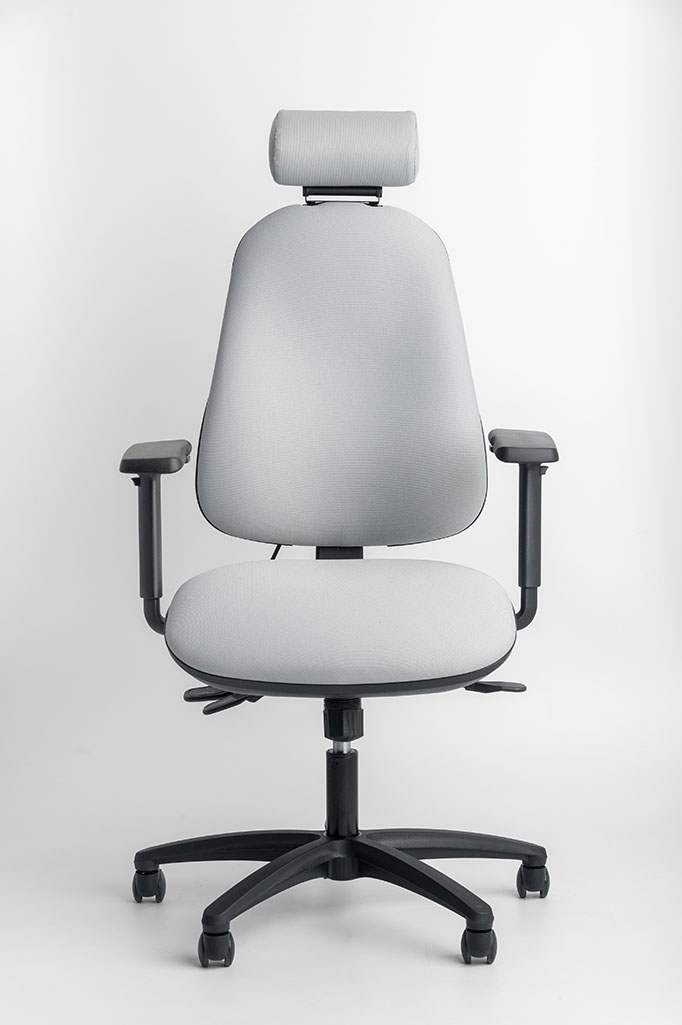
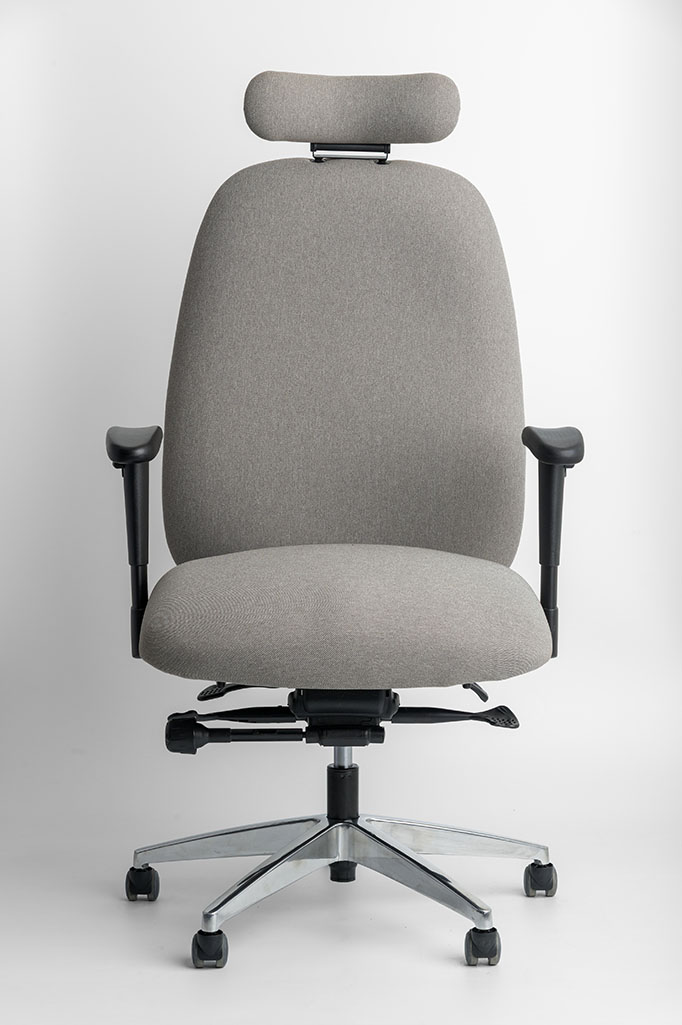
Even the right chair can feel wrong if it isn’t set up properly. When you choose Ergochair, we don’t just deliver a chair and leave you to figure it out. We help get it set up properly, show you how to use it, and make sure it’s supporting you how it should.

Why there isn’t a “best chair
for back pain”
Back pain, sciatica, arthritis and other conditions can all change what you need from your chair. But the condition itself is only the starting point. What matters is how it affects you when you sit and work — where you feel discomfort, which positions help, what movements are difficult and what support makes a difference.
That’s why advice for a particular condition should help you understand the issues to look out for, rather than simply point you towards one supposedly ‘best’ chair.
If you’re dealing with a specific problem and need expert guidance, contact our assessment team.
Why Ergochair
- Specialist tailored seating
- Individually assessed
- Made in the UK
- Over 100,000 chairs sold
- King’s Award winner 2026 for Innovation
We don’t just want to sell you the chair that you’ve asked for. We want to make sure you’re asking the right questions.

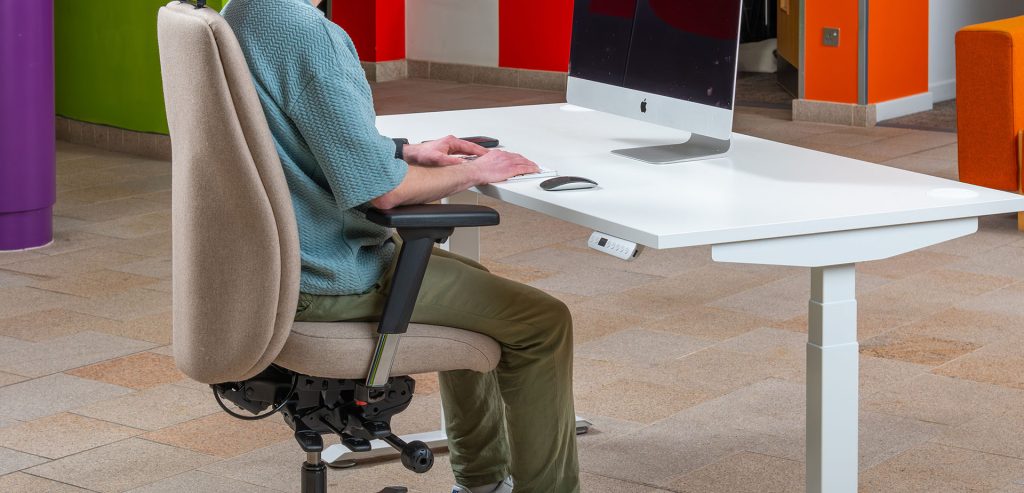
The best ergonomic chair is the one that fits you
The best ergonomic chair doesn’t have the most adjustments, the deepest lumbar support or the longest list of features.
It’s the one that fits your body, supports the way you work and helps you stay comfortable throughout the day.
Sometimes that means setting up the chair you already have properly. Sometimes it means choosing a different size, shape or level of adjustability.
And sometimes it means a more specialist solution, built around needs that an off-the-shelf chair simply can’t accommodate.
That’s where Ergochair have helped millions of people.
Not sure what chair you need?
That’s where we start.
You don’t need to diagnose the problem or choose a chair before you speak to us.
Tell us what isn’t working, and we’ll help you understand what needs to change.
Talk to an Ergochair expert
Frequently asked questions
Is any office chair actually ergonomic?
A chair becomes ergonomic when it fits the person using it, supports the work they need to do and works properly with the wider workstation.
Can I make my existing office chair more ergonomic?
Sometimes, yes. Many people aren’t using all the adjustments already available on their chair.
Do more expensive ergonomic chairs prevent back pain?
Not necessarily. Price, brand and the number of adjustment features don’t guarantee that a chair will suit you.
Should my employer provide me with an ergonomic chair?
Employers have responsibilities around the health and safety of workstations used regularly for display screen work.
Can Access to Work help pay for an ergonomic or specialist chair?
Potentially.
Should my employer provide me with an ergonomic chair if I work from home?
Health and safety responsibilities around display screen equipment can apply to people who work permanently from home or routinely divide their time between home and another workplace.
Do I need a specialist seating assessment?
Not everyone does.
What should I look for in an ergonomic office chair?
Start with fit rather than features.